







Imaging Systems
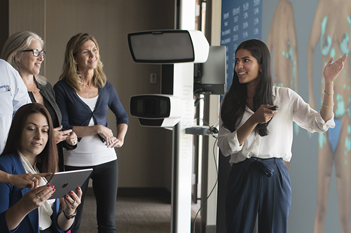
We're the world's leading developer of specialized photographic systems and imaging software for medical practices, institutions, research organizations and pharmaceutical suppliers. Learn MoreClinical Services
We invest in making our clients' clinical research studies more efficient throughout all clinical trial phases. Learn MoreNews & Updates
- Advancing Skin Screenings: Dr. Charles E. Mount III and Director Howard Edington, MD Discuss VECTRA® WB360 at AHN Cancer Institute with CBS NewsApril 19, 2024
- Dr. Robyn Siperstein, M.D., discusses Canfield’s revolutionary AI & AR technology and its role in consultations in MedEsthetics MagazineMarch 19, 2024
- VISIA®’s 5th Consecutive Win as Favorite Diagnostic Tool in Dermascope’s Aestheticians’ Choice Awards!February 29, 2024
- Visit us at AAD's Annual Meeting!February 29, 2024
“
For over 30 years, my mission has been to study the most significant and useful morphological aspects to evaluate all skin pathologies and to transfer my knowledge to many dermoscopy enthusiasts. Canfield has been the most reliable technology partner for my research and teaching activities for many years.
”
 Gian Luigi Giovene, MD, PhD,Dott. GIANLUIGI giovene Dermatologo
“
Imaging is an essential function in today’s dermatology practice. In my practice, where I strive to deliver the highest standard of care to my patients every day, I use the best quality imaging systems available, which are from Canfield.
”
 Prof. Dr. Josep Malvehy,Hospital Clinic of Barcelona
“
The highest available standard in medical photography and skin analysis tools, as provided by Canfield Scientific, has been the foundation of my cosmetic dermatology practice from its start.
”
 Dr. Patricia Ogilvie,Skin Concept
 “
“I am so glad that I was introduced to the magnificent VECTRA. I have been utilizing VECTRA technology for 3 years, and it has made a huge upgrade to my clinic. VECTRA is extremely helpful during the consultation - both for operative planning as well as for educating patients. This leads to a more clear and reliable doctor-patient relationship.”
”
 Volney Pitombo, MD,Volney PitomboCirurgia Plastica
“
Quality was always an issue when it came to photography in clinical trials. Canfield has continued to step up to the plate and move with the technology, the times, and the sponsor requirements.
”
 Steven Kempers, MD,Minnesota Clinical Study Center
“
I’ve had experience with Canfield products starting when I was in the US Military, with 3D cameras, and have been a user of Canfield technology at multiple locations over time. I have been able to watch the software and technology evolve over the last decade and a half.
”
 Anand Kumar, MD, FACS, FAAP,University Hospital, Cleveland
“
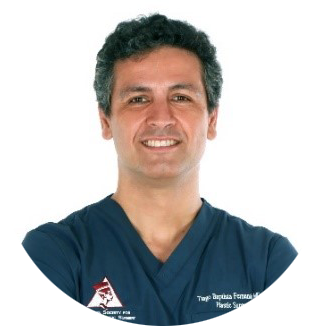
“Markerless Tracking is in one word ‘Amazing’; it educates both patients and doctors. I can show patients how they will look and what changes will occur. Then, after the surgery, I can look at my results and see what if anything I can improve relative to technique or results.”
”
 Tiago Baptista Fernandes, MD,Dr. Tiago Baptista Fernandes on Canfield’s VECTRA®Up Clinic
“
I was surprised. Using VECTRA reduces the time for my consultations. Rather than having to explain to a patient repeatedly about the limitations of her anatomy and what I can realistically achieve, I can show her the actual possibilities in 3D.
”
 Patricia McGuire, MD,Parkcrest Plastic Surgery
 “
Showing a client before and after images in 2D is good, but 3D is much more powerful. The number one thing compelling them to come in is the ability to see their personal results in 3D. Seeing themselves is what closes the deal.
”
 Clark Schierle, MD, PhD, FACS,Director of Aesthetic SurgeryNorthwestern Specialists in Plastic Surgery, S.C.
“
An informed patient is the best patient. VECTRA and VISIA are great educational tools. They can get patients excited but also manage their expectations.
”
 Kenneth A. Smith, MD, FRCSC,Clinic 805
Canfield is used by millions of people worldwide from Canada to New Zealand and everywhere in between.
Life @ Canfield

The Canfield Touch
Beyond the goals and strategies that drive our business plan, real success depends on our people. That's the essence of The Canfield Touch.
Customer Driven Innovation
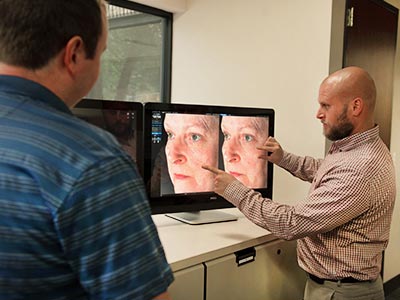
We believe in a seamless client partnership that connects us into a single unified team with a focus on simplifying complex challenges.
Working Here
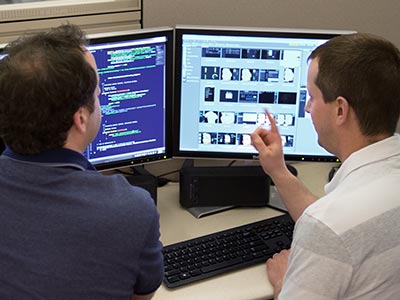
Big challenges. Beautiful solutions. Work alongside smart and interesting people in the healthcare technology field. We're proud of our team!